Land here was granted as farmland from 1794 and stayed agricultural for over a century. A subdivision was offered in 1841 and almost nothing was built for more than five decades. Then, in the 1920s, there was a housing boom, and by the end of that decade the area had largely lost the rural character it had kept since the beginning of European settlement.
Nothing was here, then almost everything was, inside about ten years. That is unusual, and it produces something genuinely useful: the original drainage, water service and fittings across street after street went in at roughly the same time, to the same standards, in the same materials, frequently by the same speculative builders.
In a suburb built inside one decade, the plumbing reaches the end of its life inside one decade too. So a neighbour's failure is not a coincidence, it is a forecast, and three houses in a street having the same repair inside two years is the material reaching its limit across a cohort standing either side of you.
- Pay attention to what neighbours have had done, and when
- A cluster in one street is information rather than bad luck
- Find out what your own original material actually is
- Where failure is predictable, timing becomes something you can choose
- This does not apply in mixed-age suburbs, and it genuinely does here
On this page
1. Built in one decade, ageing in one decade
This is the whole argument and it follows directly from the history. A place that was farmland and then, within about ten years, was streets of houses, has a single generation of everything underneath those houses.
Same era, same standards, same materials, and in a speculative boom frequently the same builders working street after street. That is not a criticism, it is how the suburb got built and quickly, and it is why the housing has the coherent character it does.
A century later, that coherence has a second effect. Everything installed at once reaches the end of its useful life at once, give or take the variation that comes from how hard each house worked its plumbing.
Where a place grew over decades, a neighbour's failure tells you nothing. Here it tells you a great deal, and it is worth using.
2. A cluster in one street is information
Three houses in a street having the same repair inside two years is not a run of bad luck on that street. It is a cohort reaching its limit, and the rest of the cohort is standing either side of you.
That is worth acting on, and it is worth being specific about what "acting on" means. It does not mean panicking or replacing everything pre-emptively. It means treating the information as real rather than as gossip.
- Ask what was actually found, not just what was replaced.
- Ask what material it was, because that is the fact that transfers.
- Ask what it cost, roughly, so you can plan rather than be surprised.
- Ask whether anybody had it filmed, and whether they still have the footage.
- Note whether the houses are genuinely from the same period, which here they usually are.
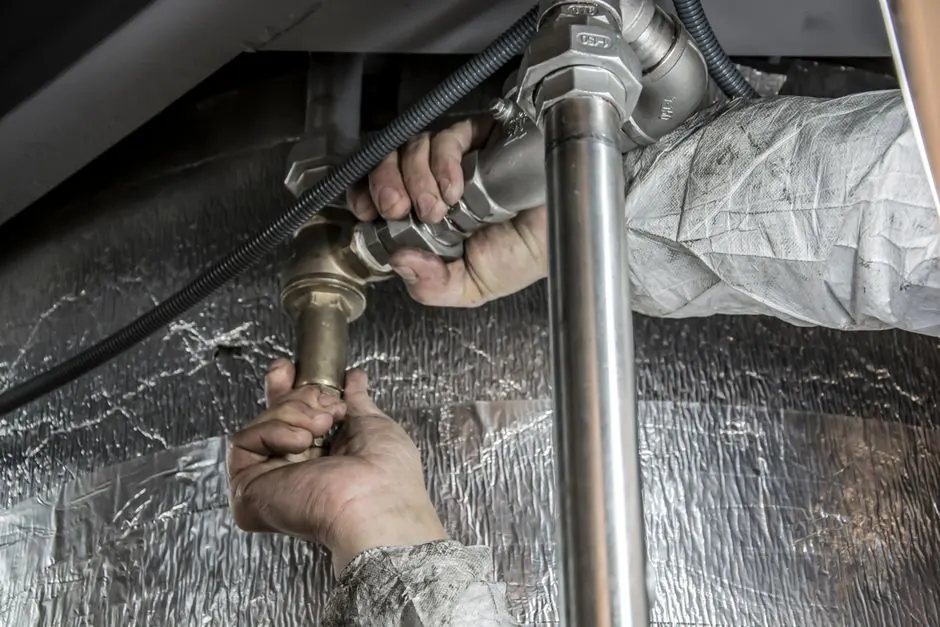
3. Find out what you have, while nothing is wrong
The forecast only helps if you know whether you are in the cohort, and that is cheap to establish.
- Roughly when your house was built. In this suburb that is a more useful number than almost anywhere.
- What material the visible pipework is: under the house, at the meter, at the fittings.
- Whether any of it has already been replaced, and when.
- What the drainage actually looks like, which needs a camera once.
- The age of the hot water system from its compliance plate.
- Whether previous owners left any documentation at all.
Six answers, one visit for the buried part, and they tell you whether the pattern across the street applies to you or whether somebody already dealt with it.
Whole street having the same repair?
Worth finding out where you sit. One camera survey answers it.
4. The one place where planned replacement is an honest argument
Almost nobody replaces original pipework before it fails, and in most suburbs that is entirely rational. Failure is random, pre-emptive work is expensive, and paying early for something that might have lasted another decade is a poor bet.
Here the bet is different, because failure is not random. Where the material across a whole cohort is reaching its limit and the houses either side of you are proving it, the question stops being whether and starts being when.
And when you choose the timing, you get things you do not get at 2am on a Sunday: quotes compared properly, work scheduled around your life, no emergency loading, no water damage, and the option to combine it with anything else that needs a wall or a trench open.
That is one of the very few places where a plumber suggesting planned work is making an honest argument rather than selling something. It is worth saying that plainly, including the part where it is still your call.
5. What not to conclude from it
Two things, because the argument above can be pushed too far.
First, a cohort reaching its limit does not mean every house fails, or fails soon. How hard a house worked its plumbing, whether sections have already been replaced, and simple variation all matter. The forecast is about probability, not certainty.
Second, nobody should be talked into a whole-house replacement off the back of a neighbour's repair and nothing else. The right response to the pattern is to find out where you actually stand, and then decide with evidence. If somebody proposes major work without having looked at your property, that is a sales conversation.
6. If you are buying here
The cohort argument is genuinely useful before a purchase, and it is easy to ask about.
- Has the original pipework been replaced, in whole or in part, and when?
- Has the drainage ever been camera inspected, and is there footage?
- What is the age of the hot water system from the plate?
- Has there been any water damage, and what was done about it?
- What have neighbours had done, if the vendor knows?
A property where somebody already dealt with it is in a different position from one where nobody has, and in this suburb that is a knowable difference rather than a guess. A building inspection will not usually answer it, which is exactly why it is worth asking.
- Almost nothing was built here for decades, then almost everything was, inside about ten years.
- So the original drainage, water service and fittings share one era and one set of materials.
- A cohort that went in together reaches the end of its life together.
- A neighbour's failure is a forecast here, and a cluster in one street is real information.
- Because failure is predictable, choosing the timing is an honest argument rather than a sale.
- Find out where you actually stand before anybody proposes major work.
One decade, one cohort FAQs
Three houses in my street had the same repair. Should I be worried?
Not worried, but you should treat it as information. In a suburb built inside one decade that pattern is a cohort reaching its limit, and the useful response is finding out where your own property sits rather than waiting to find out the hard way.
Does that mean I should replace my pipework now?
Not automatically, and nobody should propose it off a neighbour's repair alone. What is different here is that the decision can be made deliberately with evidence, rather than at 2am when something fails.
How do I know if my house is in the cohort?
Roughly when it was built, what material is visible under the house and at the meter, and whether anything has already been replaced. The buried part needs a camera once, and that answers it properly.
Is this true of every suburb?
No, and that is the point. In a suburb that grew over decades a neighbour's failure tells you almost nothing. Here the houses either side were built the same year out of the same stock, which is what makes the inference reasonable.
What should I ask a neighbour who has had work done?
What was actually found rather than what was replaced, what material it was, roughly what it cost, and whether anybody filmed it. The material is the fact that transfers.
I am buying here. What should I ask?
Whether the original pipework has been replaced and when, whether the drainage has ever been filmed, and the age of the hot water system from its plate. A building inspection usually will not cover those.